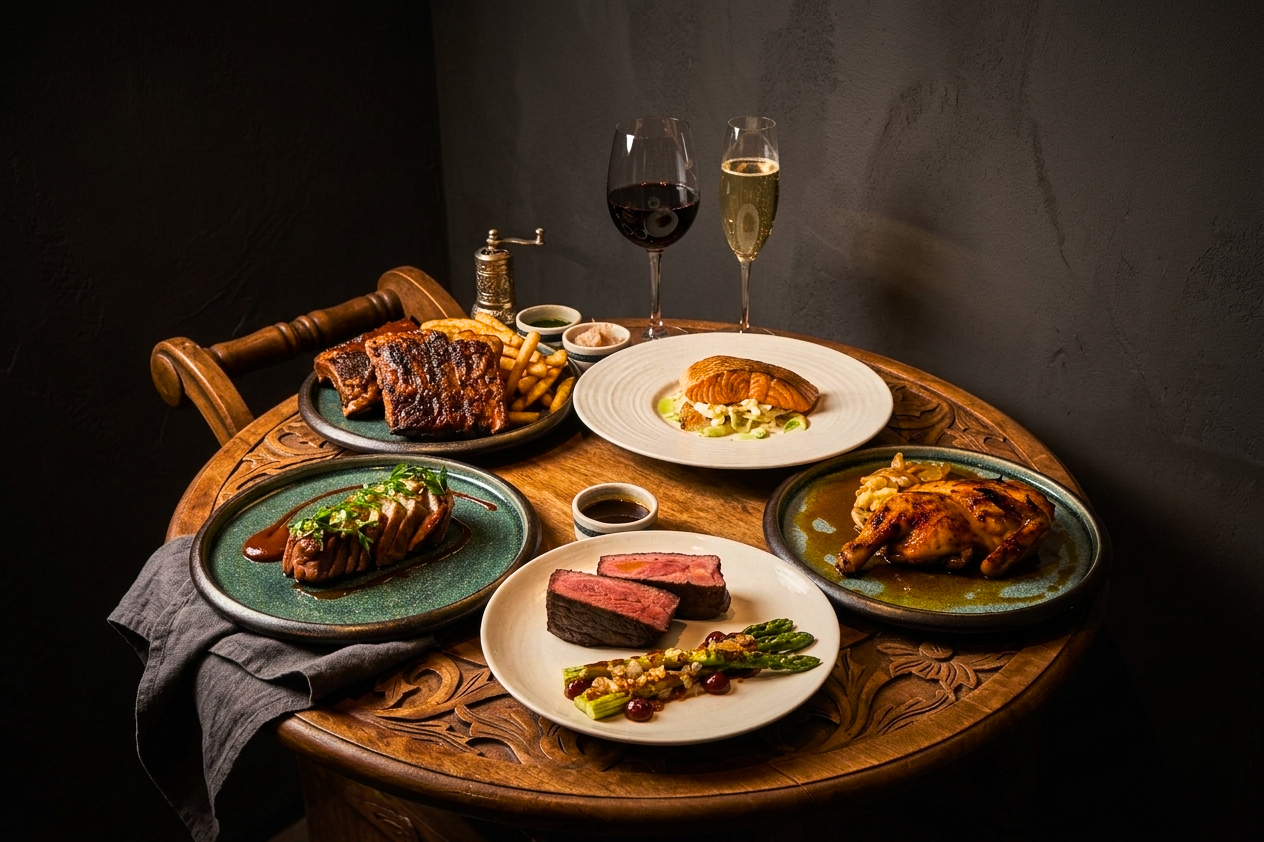
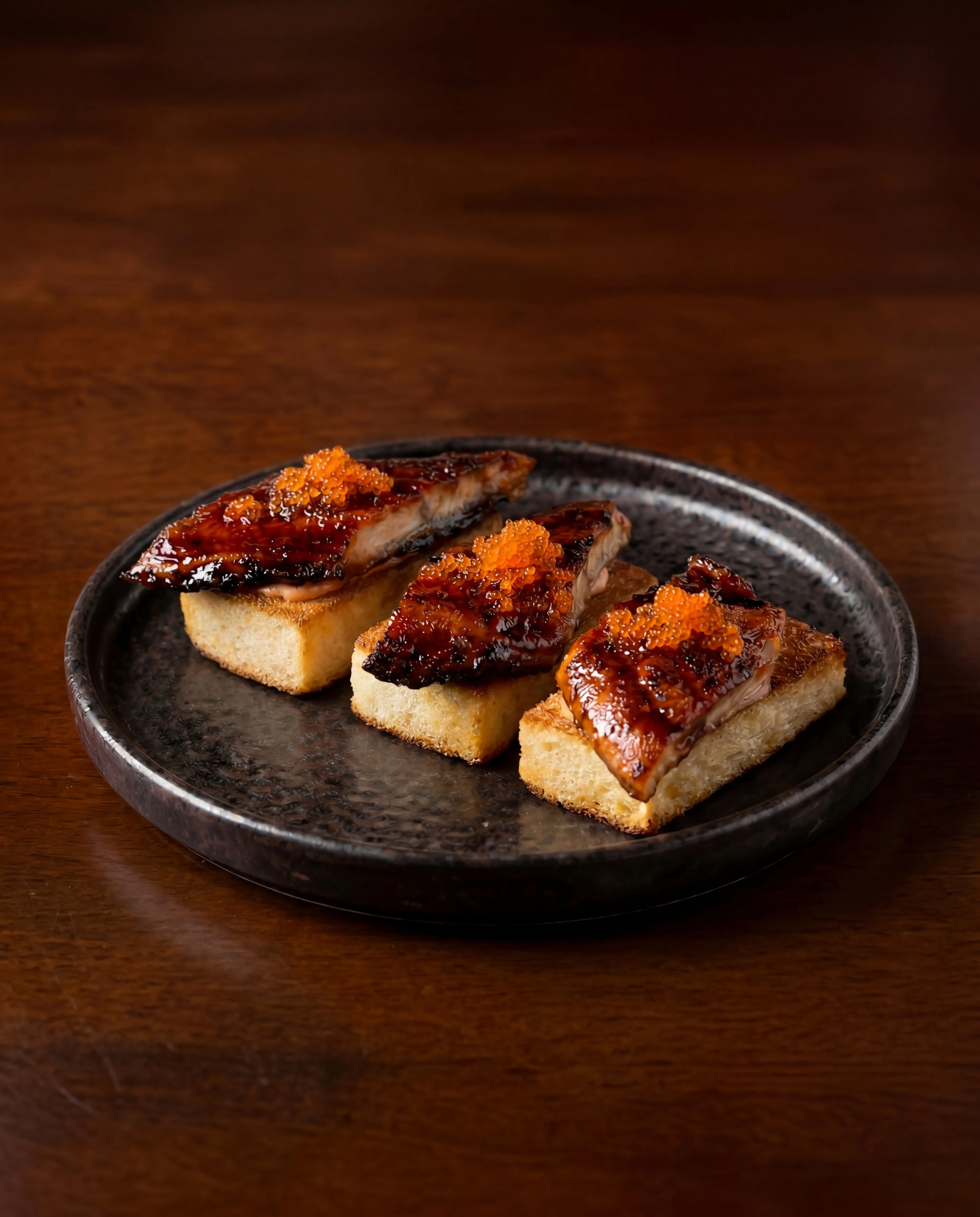
Walk into most wine bars in Singapore and ask for a pairing with laksa or mapo tofu, and you'll hear the same advice: stick to white wine. Riesling, perhaps. Maybe a Gewürztraminer if you're feeling adventurous. The logic makes sense—whites are lighter, refreshing, less likely to clash with heat.
But there's a style most diners overlook: orange wine. Not wine made from oranges, but white grapes fermented with their skins intact, the same way red wine is made. The result is a wine with the body and tannin of a red, but the brightness and acidity of a white. And for Singapore's spice-heavy cuisine, that combination is nearly perfect.
What Tannins Do to Spicy Food
The conventional wisdom against red wine with chili comes down to tannins. In most reds, tannins meet capsaicin and amplify the heat, turning a manageable tingle into a mouth-burning distraction. But orange wines work differently. The tannins here are softer, extracted from grape skins rather than oak or stems, and they interact with fat and oil instead of fighting the spice.
Think about how you eat chili crab or beef rendang—the heat comes wrapped in coconut milk, sambal, or a rich sauce. Orange wine's tannins cut through that fat the way black tea cuts through cream, cleansing your palate without magnifying the burn. The acidity, still present from the white grape base, keeps everything balanced.
The Asian Connection
Orange wine isn't new. Georgia has been making it in clay vessels for over 8,000 years. But the style has surged in popularity across Asia over the past three years, with sales up 30 percent globally in 2025. In Hong Kong, sommeliers pair it with dim sum and Cantonese roast meats. In Shanghai, natural wine bars dedicate entire sections to skin-contact wines from Slovenia, Friuli, and increasingly, local Chinese producers.
Singapore is catching up. The draw here isn't novelty—it's practicality. Orange wine bridges the gap between what works with European food and what works with the chili-laced, umami-heavy cooking that defines dining in this city. A Friulano fermented on skins can handle both Spanish chorizo and Sichuan peppercorns. That versatility matters when your table orders half the menu.
What to Look For
Not all orange wines taste the same. Some are light and bright, barely tannic, like a Pinot Grigio with a little extra grip. Others are deeply colored, almost amber, with flavours that veer into dried apricot, green tea, and walnut. The heavier styles work best with richer, fattier dishes—duck confit, braised pork belly, anything cooked low and slow. The lighter ones pair well with seafood, even raw fish, as long as there's some oil or sesame involved.
At our Siglap cellar, we stock several examples across that spectrum, from approachable skin-contact Pinot Grigios to more structured Georgian Rkatsitelis. The staff can guide you based on what you're eating, but a good rule: if the dish has chili oil, coconut, or rendered fat, reach for something with more colour and grip.
A Better Default Than White
The reason orange wine hasn't caught on faster in Singapore isn't lack of quality—it's lack of awareness. Most diners don't know it exists, or assume it's a gimmick. But spend an evening pairing it with rendang, or sambal stingray, or even just heavily spiced tapas, and the logic becomes obvious. It does what white wine can't—stand up to intensity—without doing what red wine shouldn't, which is fight the heat.
This isn't about replacing Riesling or Albariño. Those wines have their place. But if you've ever ordered a bottle of white with dinner, only to find it disappearing into the background once the mains arrived, orange wine is worth trying. It has presence. It has grip. And in a city where every other dish comes with a side of sambal, that matters.
Next time you're at CHIJMES for late-night tapas or Siglap for weekend dinner, ask what's available by the glass. Start with something light—a Ribolla Gialla, maybe—and see how it handles the prawns al ajillo or the braised octopus. You might find yourself ordering a bottle.
Ariana
Content Marketing Manager at The Winery Singapore. Writes about wine, food, and the Singapore dining scene.
Was this article helpful?