The first time most diners see orange wine on a menu, they assume it's a mistake. Maybe it's a Moscato with orange peel. Maybe it's a cocktail that wandered onto the wine list. The waiter explains that no, it's white wine made like red wine, and the confusion deepens.
But orange wine is having a moment. Global sales jumped 30% last year, and Singapore diners are finally catching on to what natural wine bars in Europe have known for years: orange wine is one of the most versatile food-pairing wines you can pour.
What Orange Wine Actually Is
Orange wine starts as white grapes—Pinot Grigio, Sauvignon Blanc, Gewürztraminer, anything. But instead of pressing the juice off the skins immediately, winemakers leave the juice in contact with the skins for days, weeks, or even months. The same process that gives red wine its color and tannins gives white wine a deep amber hue and a completely different structure.
The result is a wine that looks like rosé gone rogue, tastes like white wine with red wine's backbone, and smells like a fruit basket left in an orchard. Apricot, dried orange peel, sourdough, green tea, sometimes a pleasant bitterness like toasted almonds.
It's not for everyone. Orange wine tends to be drier, more tannic, and more textured than the average Chardonnay. But that's exactly why it works so well with food.
Why Singapore Needs Orange Wine
Singapore's dining scene has always been about bold flavors. Chili crab. Laksa. Hainanese chicken rice with ginger that could wake the dead. And most wines struggle with that level of intensity.
Orange wine doesn't struggle. The tannins cut through fat and spice. The acidity stands up to soy sauce and vinegar. The texture matches the density of braised meats and fried foods. Where a light white wine would disappear and a heavy red would clash, orange wine finds the middle ground.
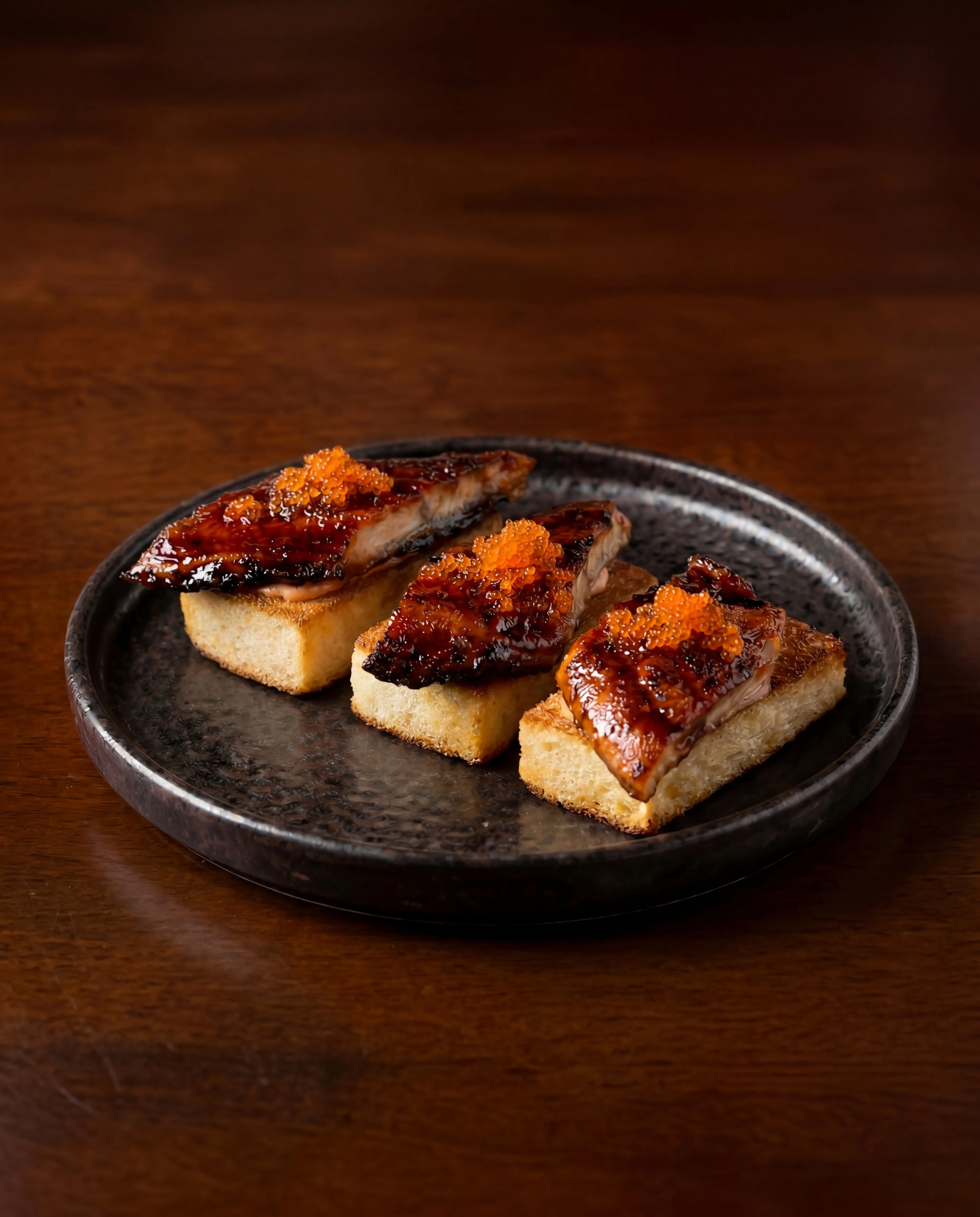
At CHIJMES, we've been pairing orange wine with Spanish tapas since early last year. Patatas bravas with aioli. Jamón croquetas with a crispy shell. Chorizo in red wine reduction. These are dishes that need a wine with enough grip to cut through richness without overwhelming delicate flavors. A Georgian Rkatsiteli or an Italian Ribolla Gialla does exactly that.
The Pairing Principle
Orange wine works because it borrows from both red and white traditions. Think of it as the wine equivalent of a well-made vinaigrette—it can handle oil and acid at the same time.
Fried foods benefit from the tannins, which cleanse the palate between bites. Fermented foods—kimchi, miso, aged cheese—mirror the wine's own funky, savory notes. Rich seafood like grilled octopus or seared scallops get structure without losing brightness.
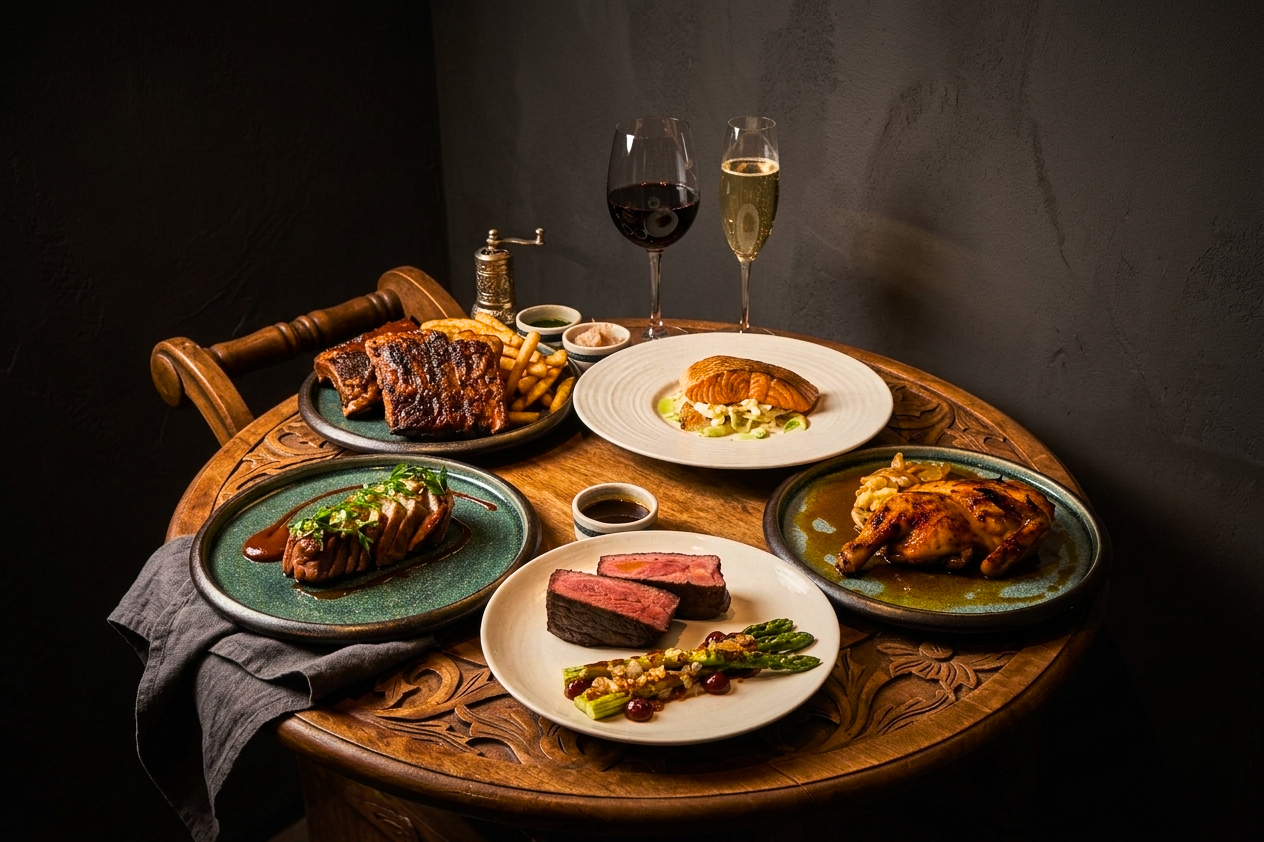
At our Siglap cellar, we stock several examples from Italy's Friuli region and Slovenia's Brda valley, both historic centers of orange wine production. Chef Zoel has been experimenting with pairings for his weekend roast menu, and the results have been surprising. Orange wine with roasted chicken and root vegetables. Orange wine with pork belly and fennel. The wine's earthy, oxidative character complements slow-cooked proteins in ways that conventional whites can't match.
How to Order Orange Wine
If you've never tried orange wine, start with something from Friuli or Slovenia. These tend to be more restrained—structured but not aggressively tannic, with clear fruit and a clean finish. Georgian orange wines, made in ancient qvevri clay vessels, can be more polarizing: deeper color, more tannin, funkier aromatics.
Ask your server what they recommend for the dish you're ordering. Orange wine isn't a one-size-fits-all category any more than red wine is. Some are light and refreshing. Some are dense and contemplative. The best sommeliers will guide you toward a style that matches your meal and your palate.
And if you don't like it? That's fine. Orange wine rewards curiosity, not blind faith. But if you're the kind of diner who seeks out new flavors, who orders the unfamiliar dish, who wants wine that does more than just sit politely in the background—orange wine is worth your attention.
We pour orange wine by the glass at CHIJMES on weekends, and our Siglap cellar carries a rotating selection of bottles. The trend isn't going anywhere. Singapore diners are finally catching on to what the rest of the wine world already knows: orange wine isn't weird. It's just been waiting for the right audience.
Reserve a table and ask about our current orange wine selection.
Ariana
Content Marketing Manager at The Winery Singapore. Writes about wine, food, and the Singapore dining scene.
Was this article helpful?