Wine Pairing for Beginners: A No-Nonsense Guide

Austin Tyler
·
May 30, 2026
·8 min read
Wine Pairing for Beginners: A No-Nonsense Guide

Wine Pairing for Beginners: A No-Nonsense Guide

Here's a confession from a wine bar: most wine pairing "rules" are overcomplicated nonsense designed to make you feel like you need a sommelier on speed dial.

You don't.

Wine pairing is simpler than people make it sound. There are a handful of principles that actually work, a few mistakes worth avoiding, and the rest is personal taste. That's it. No certification required.

We pour hundreds of glasses a week across our two locations, and the best pairings we've seen aren't always the textbook ones. They're the ones where someone took a sip, took a bite, and said "oh, that works."

Let's get you to that moment.

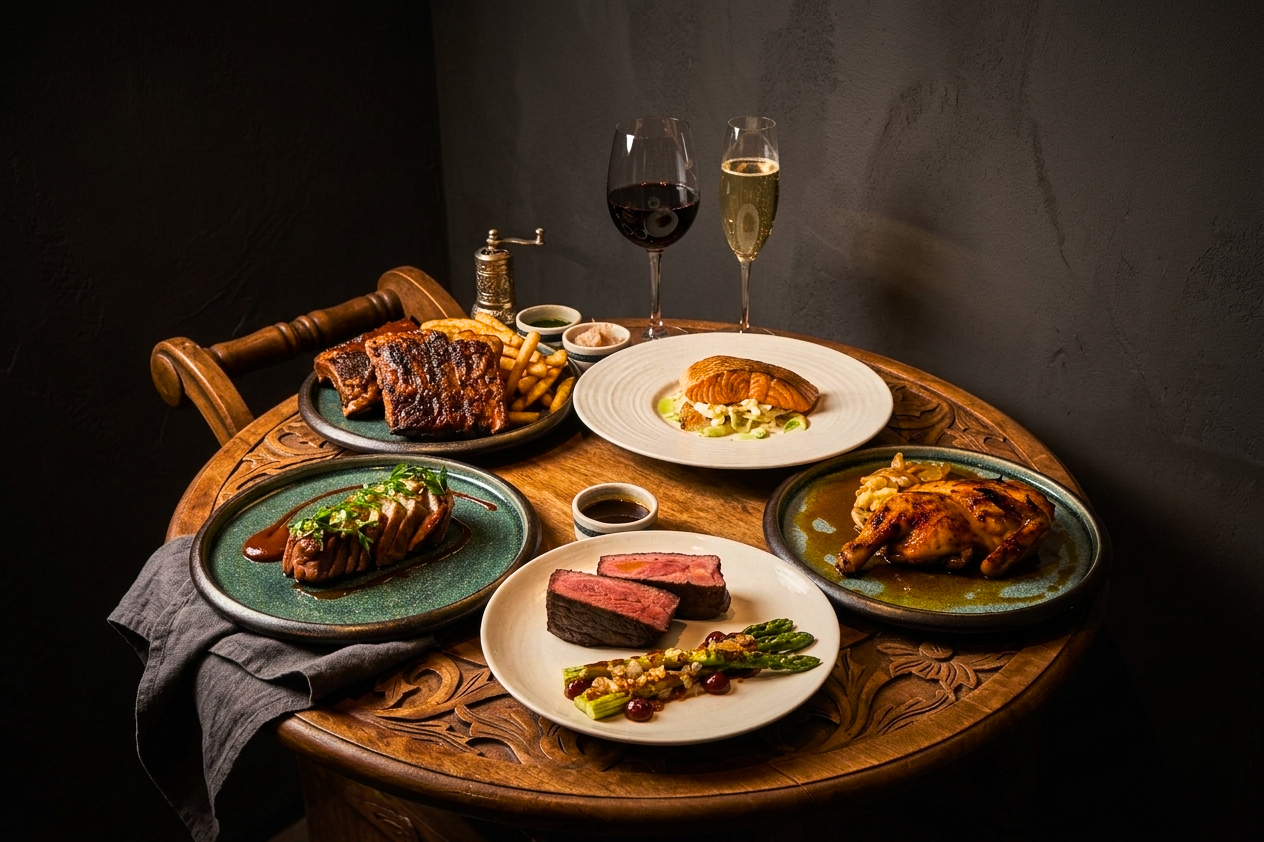
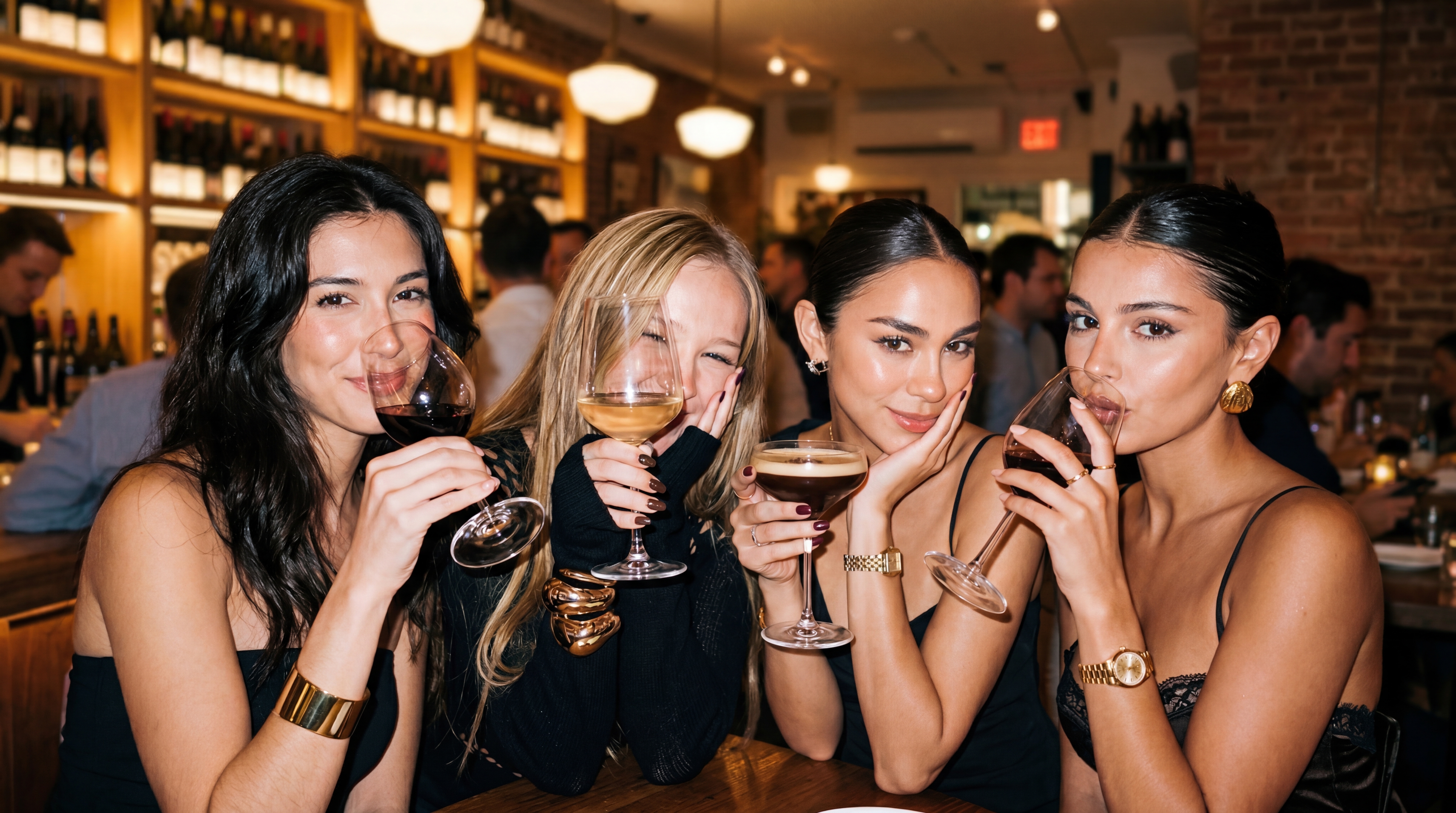
Wine glasses and food pairing at a restaurant table

Red vs White: The Real Difference

Forget the old "red with meat, white with fish" thing. It's not wrong exactly, but it's not the full picture. Here's what actually separates red from white in terms of pairing:

Red Wine

  • Higher tannins — that dry, gripping feeling in your mouth
  • Bigger body — more weight on the palate
  • Warmer flavours — dark fruit, earth, spice, sometimes smoke

Red wine works when you need something that can stand up to rich, heavy, or fatty food. The tannins in red wine literally bind to proteins and fats, which is why a juicy steak and a glass of Cabernet feel like they were made for each other.

Reds shine with: Grilled meats, aged cheeses, tomato-based sauces, mushrooms, dark chocolate

White Wine

  • Higher acidity — that crisp, mouthwatering quality
  • Lighter body — less weight, more freshness
  • Cooler flavours — citrus, green apple, stone fruit, minerals

White wine works when you need something that can cut through richness or complement lighter flavours. Acidity is the secret weapon here — it refreshes your palate between bites.

Whites shine with: Seafood, salads, cream sauces, soft cheeses, anything with lemon or herbs

The In-Between: Rosé and Orange Wine

Rosé isn't just a summer Instagram prop. A dry rosé bridges the gap — enough body to handle grilled chicken or light pastas, enough acidity to pair with seafood. It's the most versatile wine at the table, and it's criminally underused as a food wine.

The Only Three Rules You Need

Rule 1: Match the Weight

This is the single most important pairing principle. Match the weight of your wine to the weight of your dish.

  • Light dish → Light wine. A delicate ceviche doesn't need a Barolo. Give it a Pinot Grigio or a Vermentino.
  • Heavy dish → Heavy wine. A charcoal-grilled côte de bœuf (like the one Chef Alan does at our Siglap location) calls for something with equal presence — a Malbec, a Shiraz, a bold Tempranillo.

If you only remember one rule, make it this one.

Rule 2: Acid Loves Fat

Acidity in wine and fat in food are best friends. The acid cuts through the richness, and the fat softens the wine's sharpness. It's why Champagne and fried food is a pairing that sommeliers go crazy for.

Real-world examples:

  • Gambas al Ajillo (prawns in garlic olive oil) + a crisp Albariño — the acid slices right through the garlic butter
  • Patatas Bravas with aioli + a dry Cava — bubbles and fat are an unbeatable combination
  • Creamy pasta + Chardonnay — the wine's acidity keeps the dish from feeling heavy

Rule 3: What Grows Together Goes Together

This is more of a shortcut than a rule, but it's surprisingly reliable. Regional food and regional wine evolved together over centuries, so they tend to pair naturally.

  • Spanish tapas + Spanish wines (Tempranillo, Garnacha, Albariño)
  • Italian pasta + Italian reds (Sangiovese, Barbera, Nero d'Avola)
  • French cheese + French wine (almost any combination works)

At The Winery CHIJMES, our tapas menu leans Spanish, and our wine list includes plenty of Spanish bottles for exactly this reason. The Paella de Marisco with a glass of Verdejo? That's not a studied pairing. That's just geography doing its thing.

Common Pairing Mistakes (And How to Fix Them)

Mistake 1: Pairing Big Reds with Fish

A tannic Cabernet Sauvignon with a delicate sea bass creates a metallic, fishy taste that's unpleasant for everyone. The tannins react with the fish oils and produce an off-putting flavour.

The fix: Stick to whites, rosé, or very light reds (Pinot Noir) with fish. If you really want red with seafood, go for something low-tannin like a Beaujolais.

Exception: grilled tuna or swordfish can handle a medium red. These are meaty fish that play by different rules.

Mistake 2: Sweet Wine with Savoury Food

Unless you're specifically doing a contrast pairing (like Sauternes with foie gras or blue cheese), sweet wine with savoury food usually feels wrong. The sweetness clashes and makes the food taste flat.

The fix: Save sweet wines for dessert, cheese courses, or as an aperitif. And when you do pair sweet with savoury, make sure the food has enough salt or fat to balance the sugar.

Mistake 3: Ignoring the Sauce

People pair wine with the protein and forget about the sauce. But the sauce is often the dominant flavour on the plate.

  • Chicken in a mushroom cream sauce? That's not really a "chicken" pairing — it's a cream-and-mushroom pairing. Go Chardonnay or Pinot Noir.
  • Steak in a peppercorn sauce? The pepper changes everything. A peppery Syrah echoes the sauce beautifully.
  • Seafood paella with saffron? The saffron and tomato base can handle a light red or a fuller-bodied white.

Mistake 4: Overthinking It

This is the biggest one. People get so worried about picking the "wrong" wine that they freeze up and order a beer instead.

Here's the truth: there are very few genuinely bad pairings. Most wines go reasonably well with most foods. The difference between a good pairing and a great one is noticeable, sure — but even an "incorrect" pairing is still wine and food, which is inherently enjoyable.

A Cheat Sheet for Common Foods

Food Best Bet Why
Garlic prawns / Gambas Albariño, Sauvignon Blanc Acid cuts through garlic butter
Grilled steak Cabernet, Malbec, Tempranillo Tannins bind to protein and fat
Tapas (mixed) Garnacha, dry rosé, Cava Versatile enough for varied flavours
Seafood paella Verdejo, dry rosé Matches saffron and seafood without overpowering
Pizza / pasta with tomato Sangiovese, Barbera Acid matches acid in the tomato
Roast chicken Chardonnay, Pinot Noir Medium weight matches medium dish
Cheese board Port, Riesling, Tempranillo Depends on cheese — soft to hard
Chocolate dessert Ruby Port, Banyuls Sweet with sweet, rich with rich

How to Practice (The Fun Part)

The best way to learn wine pairing is to drink wine with food. Revolutionary advice, we know.

But seriously — next time you're at dinner, try ordering two different wines by the glass and testing them against the same dish. You'll immediately taste the difference a good pairing makes.

At both our CHIJMES and Siglap locations, the staff can suggest pairings for whatever you're ordering. We have over 150 labels at Siglap alone (in an actual walk-in wine cellar, which is worth seeing even if you don't buy a bottle), and the team at CHIJMES knows the tapas menu inside out.

You don't need to study wine to enjoy it better. You just need to pay attention to what you like, notice when something clicks, and stop worrying about doing it "right."

The right wine is the one in your glass. The right pairing is the one that makes you close your eyes and nod.

One Last Thing

If someone tells you there's only one correct wine for a dish, they're either selling you something or showing off. Wine is personal. Pairing is a guideline, not a law. The principles above will get you 90% of the way there, and your own palate will handle the rest.

Now go open a bottle and eat something.


Want to put these pairing principles into practice? Browse 150+ wines in the cellar at The Winery Siglap or explore Spanish wines with tapas at The Winery CHIJMES. Our team is always happy to suggest a pairing.

A
Written by

Austin Tyler

Food and wine enthusiast, nightlife connoisseur, and resident blogger at The Winery. Passionate about discovering Singapore's hidden gems and sharing the best dining experiences.

Was this article helpful?

Visit the Location Featured in This Article

Experience our wine destinations in Singapore

Comments

0 comments

No comments yet. Be the first to share your thoughts.